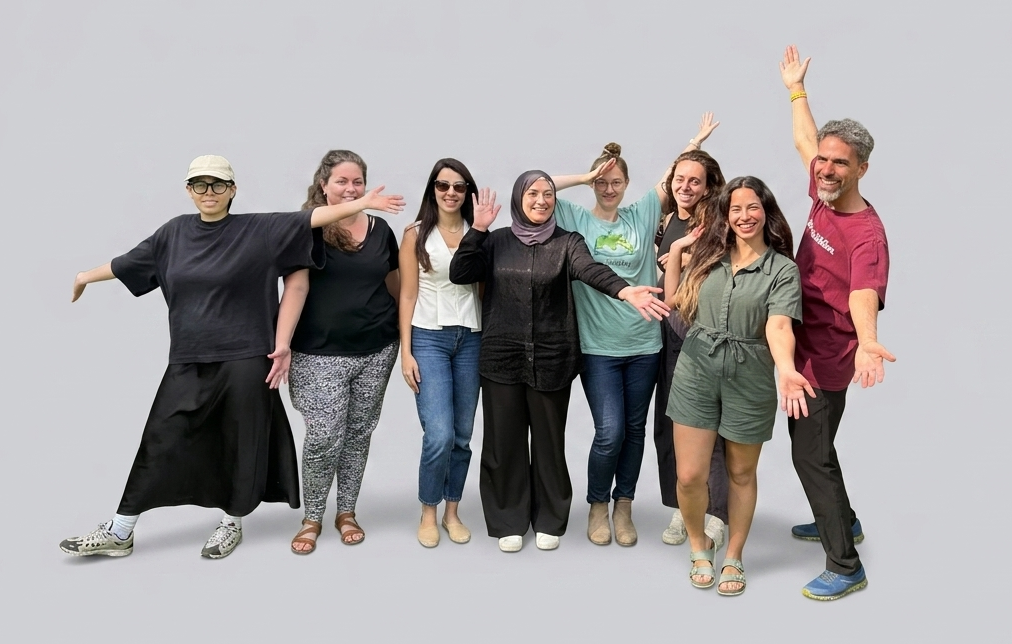
We study how artificial intelligence and interactive learning environments can support people in becoming better learners, focusing on the development of higher order thinking such as scientific reasoning, creativity, AI literacy, and sense making. Our research is rooted in frameworks and methodologies from education, cognitive science, learning analytics, and human-computer interaction.
> Research_ ↑
In our lab we look at complex learning and problem-solving processes in rich, messy, and authentic tasks. Examples for such processes include AI literacy, creative thinking, learning from errors, and interpersonal dilemmas. Our work makes three types of contributions: Theoretical, by understanding how people make sense of novel situations; Applied, by designing interactive environments to support and assess complex learning processes; and Methodological, by developing approaches to interpret interaction data. Our research is rooted in frameworks and methodologies from education, data science, cognitive science, learning analytics, design, and human-computer interaction.
Here are several examples of our current research projects:
▼ Learning in the Age of GenAI
GenAI changes the way we learn. Our work looks at how people make meaningful decisions while learning in complex tasks.
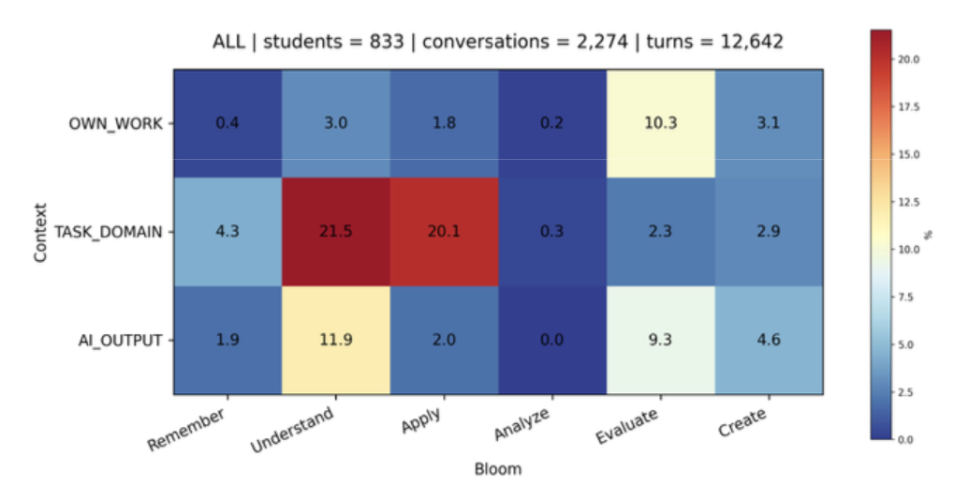
One example is AI Literacy. This term refers to students’ understanding of GenAI technologies, their ability to use them across diverse contexts, and their attitudes toward their impact. In the figure: automated analysis of chat data in this course shows that students ask the AI to explain and apply solutions to the task itself.
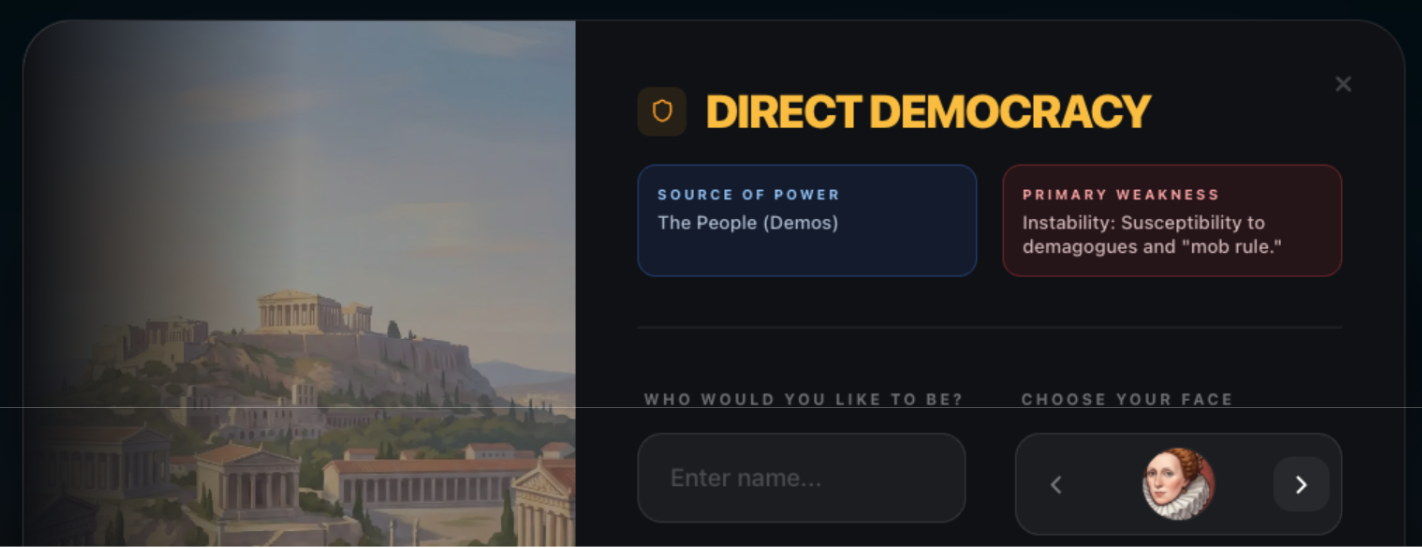
Another example is learners’ behaviour in interpersonal dilemmas. To better understand how values and attitudes affect who we are, we seek to better understand competencies such as empathy and curiosity, and to advance democratic and humanistic values. In the figure: a game to evaluate participants’ choices in situations where different values clash.
▼ Designing Effective Learning Environments
We design innovative technologies that support meaningful learning.
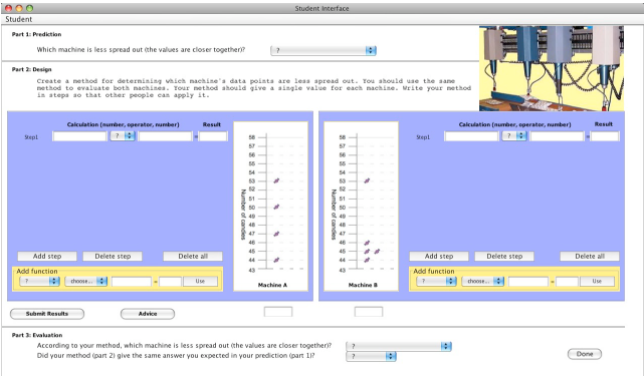
One example is our work on Productive Failure. In life, we learn when we make mistakes. How can this process be supported? We focus on design features of tasks that support sense-making and self-diagnosis. In the figure: an environment where students iteratively invent mathematical approaches to solve unfamiliar problems.
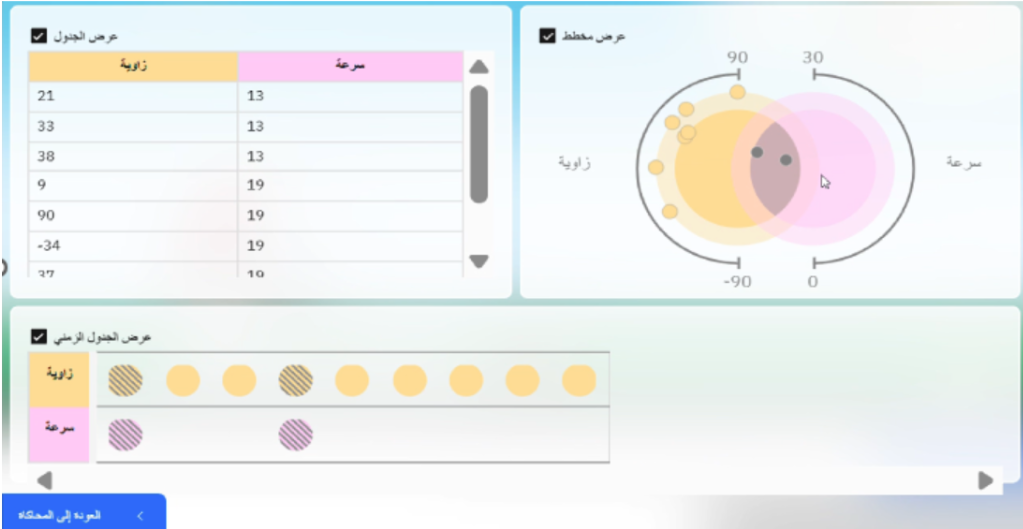
Another example is our work on giving students access to their own learning data. How can data become meaningful information that helps learners improve their learning? In the figure: providing learners with insights about their inquiry behaviours in interactive simulations supports their ability to learn science.
▼ Dynamic Assessments
Building on psychometrics and learning analytics practices, we develop innovative methodologies, with and without GenAI, to assess complex competencies in resourceful tasks.
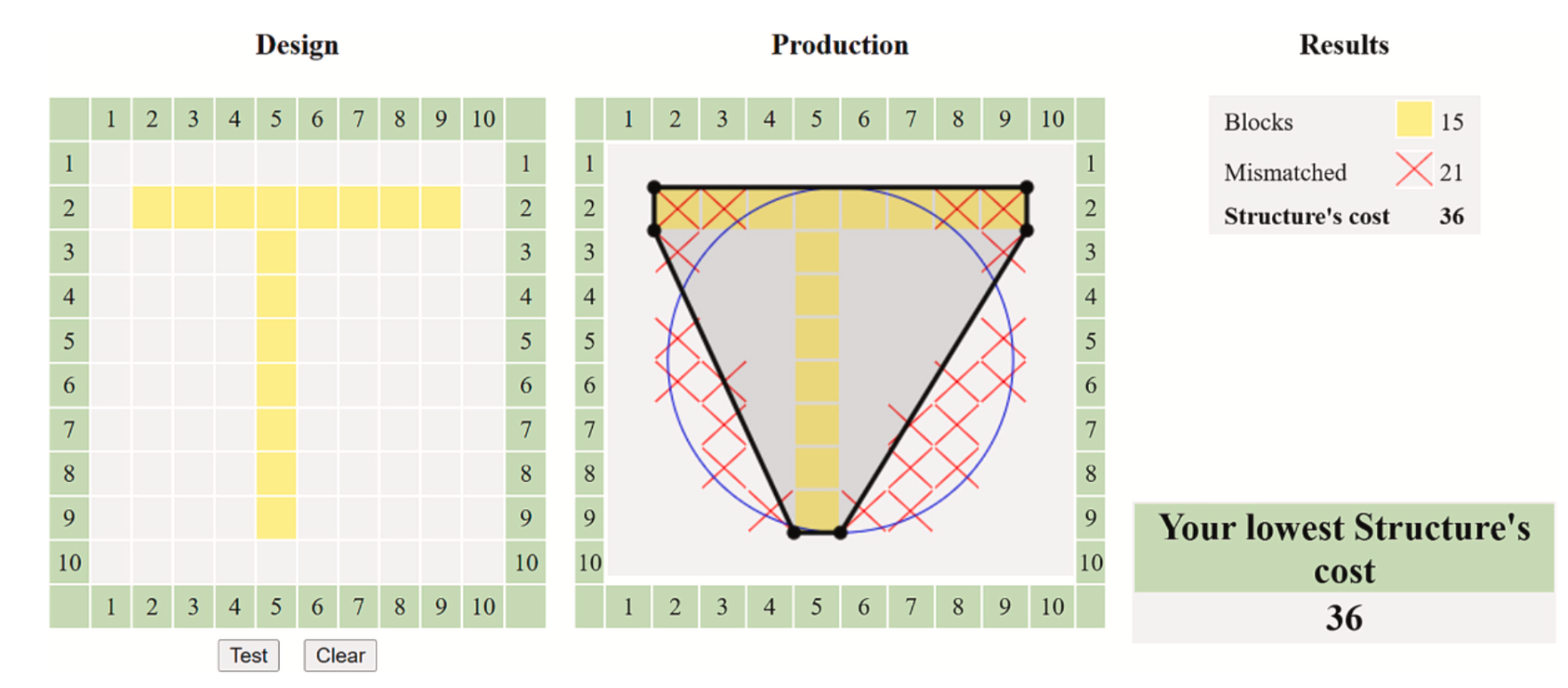
One example is Creative Thinking. In our work we try to understand how the process of creative thinking unfolds during problem solving and what factors affect it. In the figure: in this open-ended task learners design novel shapes according to constraints (left) and receive feedback (right).
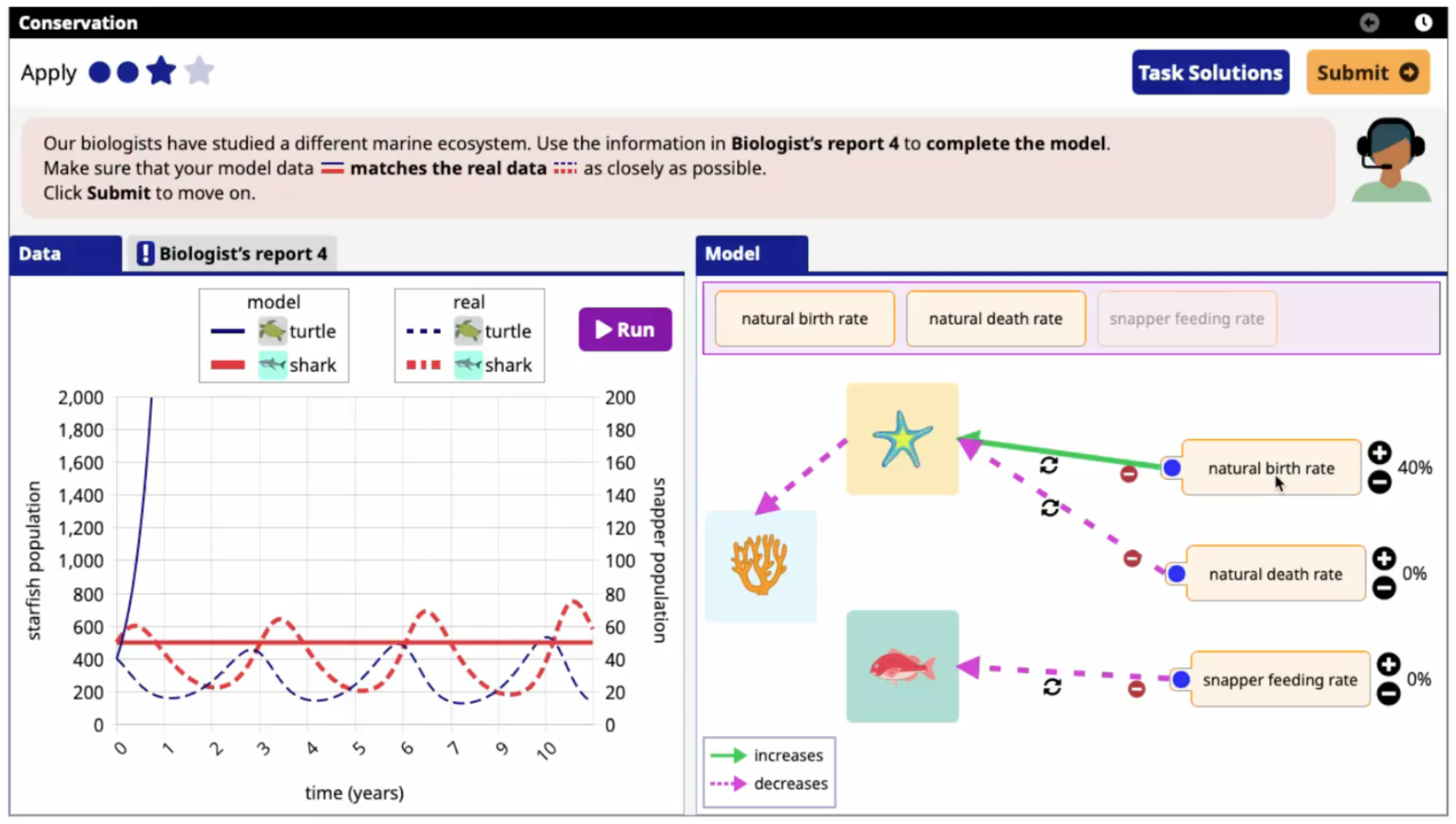
Another example is our work on self-regulated learning, where we seek to extract learning strategies persistently across tasks. In the figure: an example PISA activity that we use to see how learners ask for help, use resources, test themselves, and analyze complex problems.
> Publications_ ↑
Please feel free to email roll[at]technion.ac.il for pdfs. https://biboxx.org/data/?id=28082808148721672
> People_ ↑

Prof. Ido Roll
Ido is a Professor in the Faculty of Education in Science and Technology and the Faculty of Data and Decision Sciences at the Technion – Israel Institute of Technology.
Previously, Ido was the Deputy Senior Vice President for the Promotion of Teaching and Learning at the Technion, and the Director of the Institute for Scholarship of Teaching and Learning (ISoTL) at the University of British Columbia in Canada (UBC). He graduated from the Human-Computer Interaction Institute (HCII) and the Program for Interdisciplinary Education Research (PIER) at Carnegie Mellon University. Ido was also a member of OECD’s PISA Innovative Domains Expert Group and Research and Innovation Group. He is an Associate Editor of the International Journal of Artificial Intelligence in Education (IJAIED). He was also a member of the steering committees of the International Society for Artificial Intelligence in Education (IAIED) and Learning at Scale (L@S), and he served as a program chair in both conferences. Ido has authored over 100 publications that won numerous awards, including the most cited paper in the International Journal of Artificial Intelligence in Education on his work on Evolution and Revolution of AI in Education).
Mail: roll [at] technion.ac.il
▼ Lab Members ↑
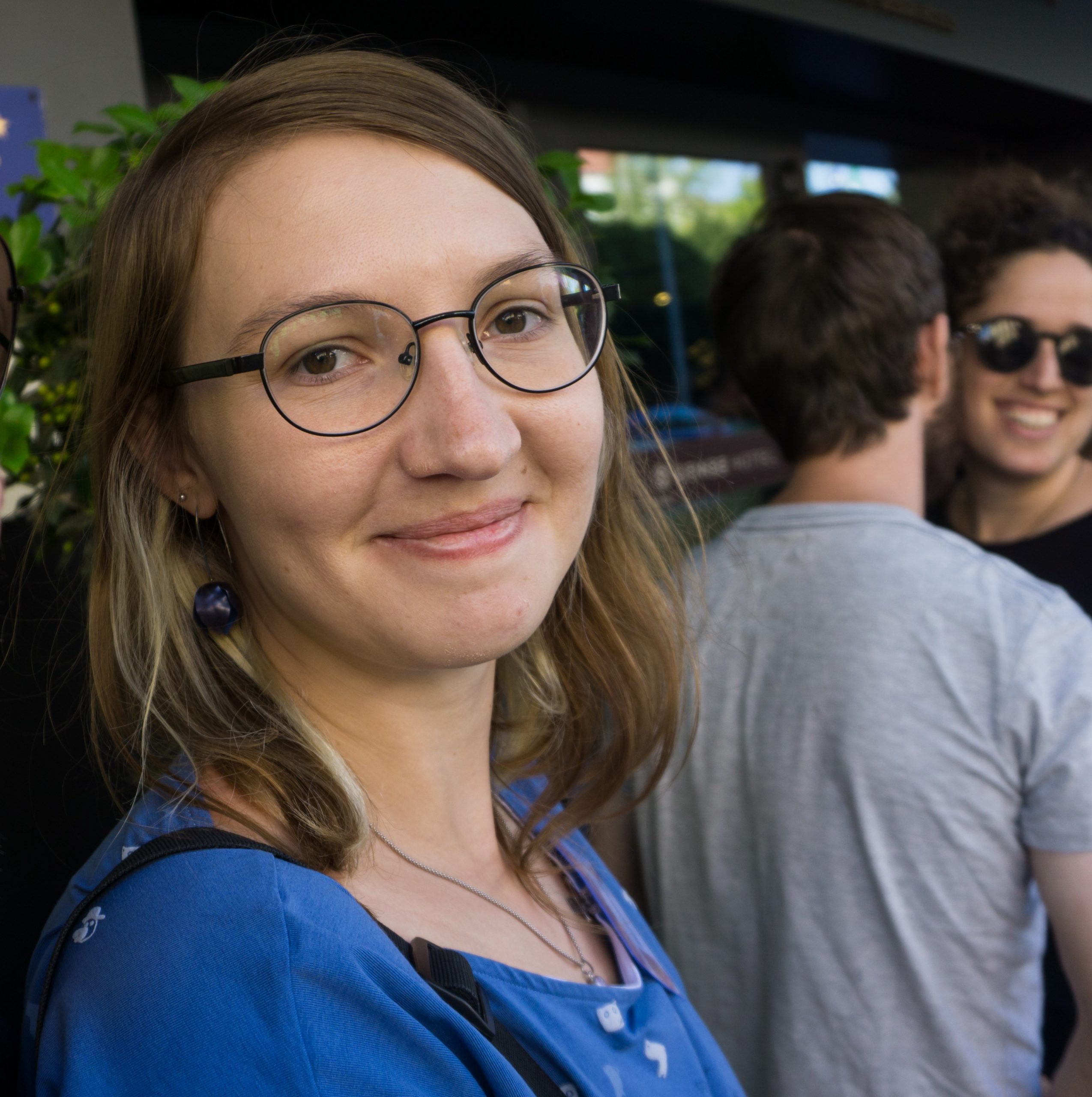
Eman Ganaiem
Ph.D. Student (Co-advised with Prof. Tanja Käser)
Visualizing Inquiry: Designing and Developing a Learning Analytics Dashboard to Support the Learning of Inquiry Competencies in Interactive Simulations
Research at the intersection of learning sciences and learning analytics; scientific inquiry competencies, participatory design of LAD, and analytics of inquiry in interactive simulations.
Ganaiem.eman [at] gmail.com
Tania Yamai
M.Sc. Student
Which Tool to Use? Evaluating Human Tool Learning in Complex Multi-Tool Environments
B.Sc. in Computer Science; Research focused on the tool learning process in multi-step, multi-tool scenarios. Expected graduation: 2026.
yamai.tania.il [at] gmail.com
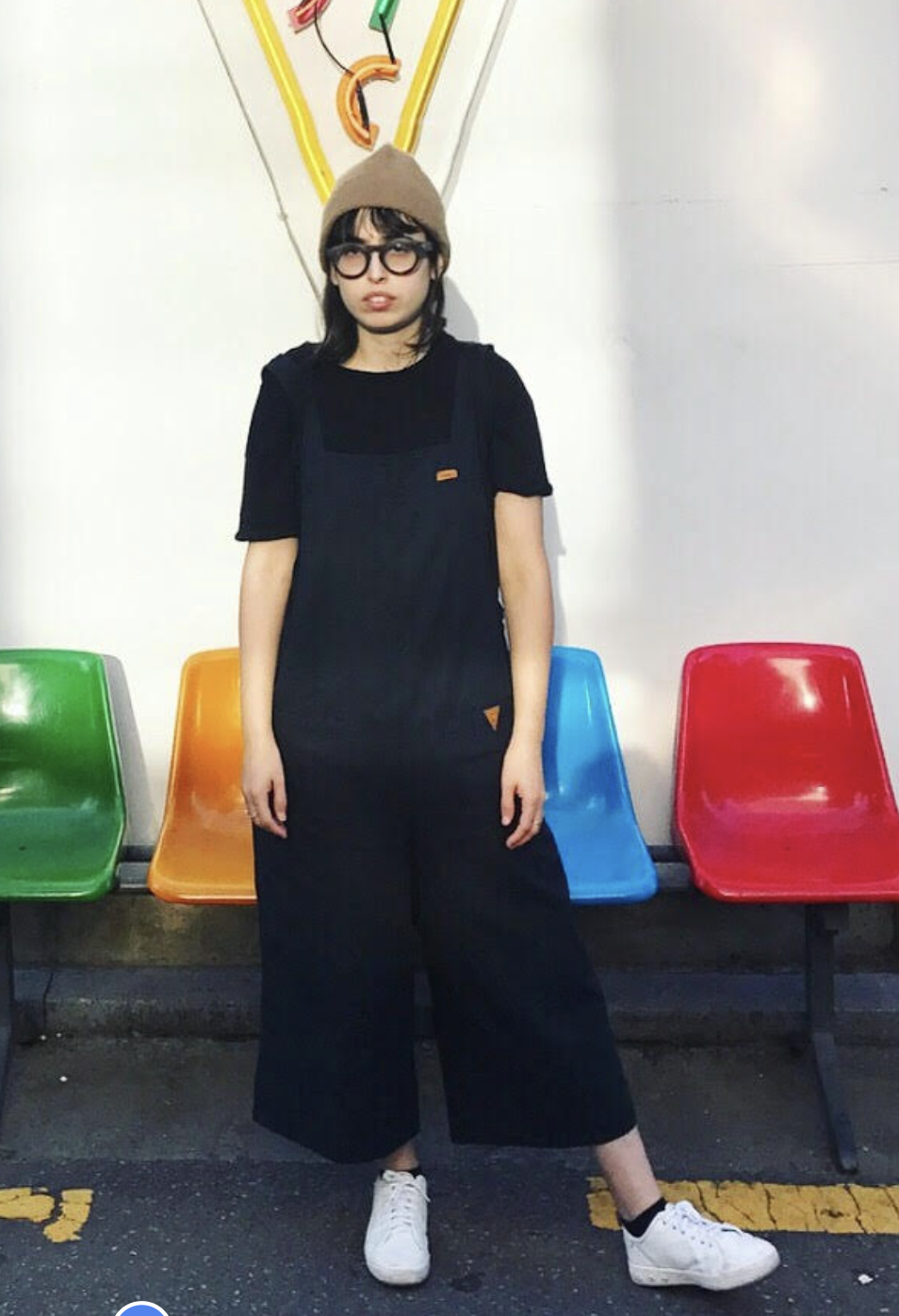
Taelin Karidi
Post-Doctoral Fellow (Co-advised with Prof. Ofra Amir)
Learning with AI: Modeling AI Literacy and Learning Behaviors from In-the-Wild Student–AI Interactions
B.A. & M.Sc. in Pure Mathematics (TAU); Ph.D. in Computer Science (HUJI). Research at the intersection of NLP, cognitive science, and education; assesses learning-related skills via real student–AI interaction data using computational methods.
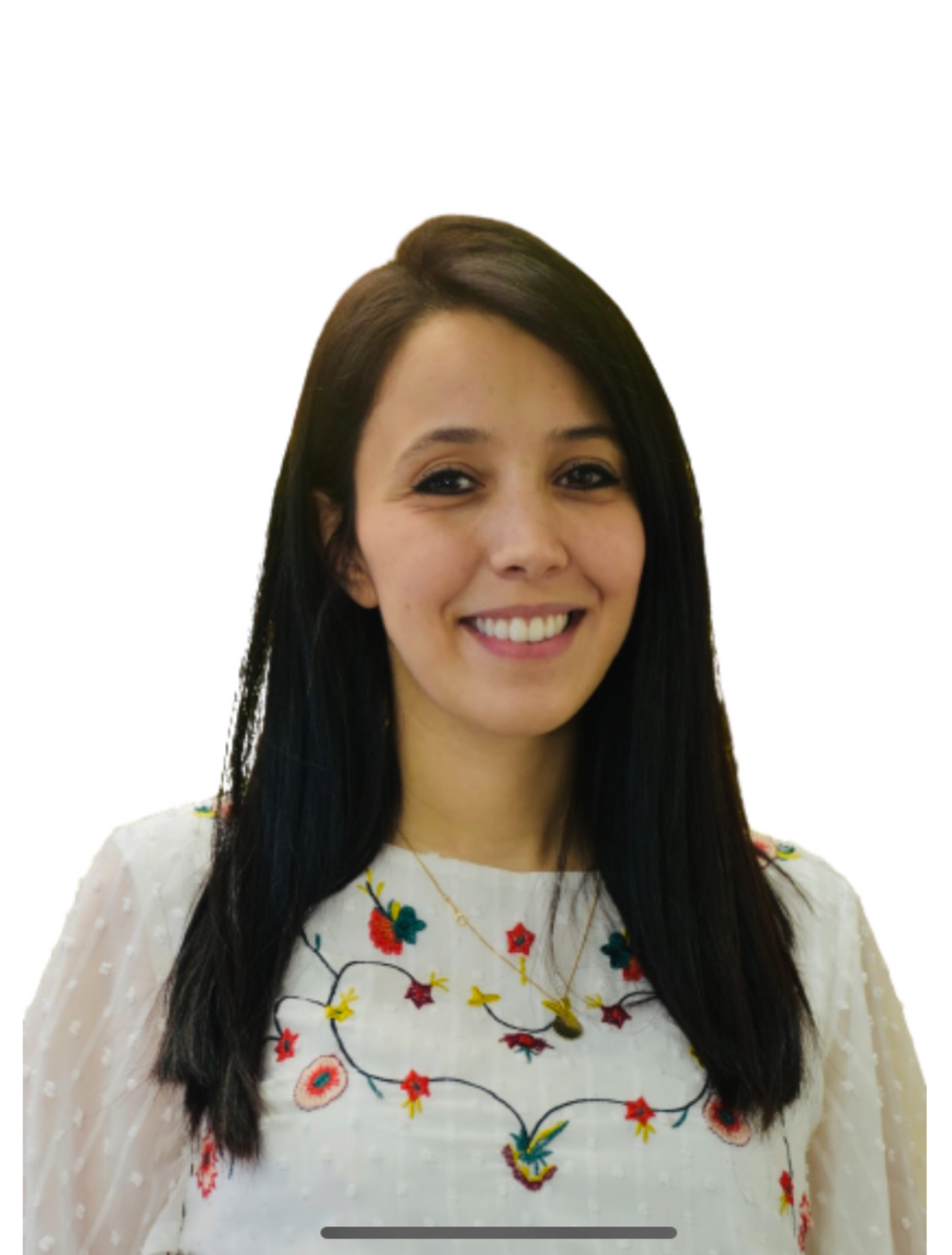
Tamara Dalki
Ph.D. Student (Co-advised with Prof. Miri Yemii)
Examining Adolescents’ Interactions with Generative AI in Health-Related Topics: Perceptions and Use Patterns Across Diverse Youth Populations
M.A. in Educational Leadership, Administration, and Policy. Interested in how adolescents use and interact with generative AI, especially in health-related contexts.
▼ Alumni ↑

Shir Drive
Past Member — M.Sc. Student
Task-Agnostic Assessment of Self-Regulated Learning in Modeling Activities
B.Sc. in Mathematics; Using ML and theory-informed frameworks to identify and characterize learning behaviors over time in digital open-ended environments (focus on OECD PISA). Currently: at SAFE (Secure Artificial Intelligence via Formal Methods and Engineering) as an Applied Mathematics Ph.D. candidate; expected graduation 2029.
shir.yihyie [at] campus.technion.ac.il

Jonathan Ben-David
Post-Doc, Hebrew University
Implementing and Evaluating Evidence-Based Learning Principles in Educational Games
Educational games developer and researcher. Specialty in implementing evidence-based principles in games. Ph.D. in Science Education.
Website: play2learn.click
Janan Saba
Post-Doctoral Fellow
The use of Productive Failure in an Agent-Based Modeling Environments. Reasearch based in learning sciences, design of technology-enhanced learning environments, computational thinking.
Current: Senior Lecturer at the HUJI, The Seymour Fox School of Education.
janan.saba [at] mail.huji.ac.il
Miri Barhak-Rabinowitz
Ph.D. Student
Measuring the dynamic process of creative thinking
miri.barhak [at] gmail.com

Ilana Ram
Post-Doc
Online learning in Higher STEM education
Maya Usher
Past Member — Research Assistant (under Prof. Ido Roll)
Ph.D. (Technion, 2022, supervised by Prof. Miri Barak). Research on GenAI’s impact on teaching, learning, and assessment in higher education, including AI ethics education, chatbot support for academic writing, and chatbot-based assessment tools and practices.
Current: Senior Lecturer at Holon Institute of Technology (HIT) and Research Associate at the Technion – Israel Institute of Technology.
Orly Fuhrman
Researcher
Situated support for online collaborative writing
Alina Ryndin
M.Sc. Student
The impact of open-exploration on learning using interactive simulations
Raffael Shalala
Ph.D. Student
Co-advised with Ofra Amir
Mati Yanko
Lab Technician
matiya [at] gmail.com
> Teaching_ ↑
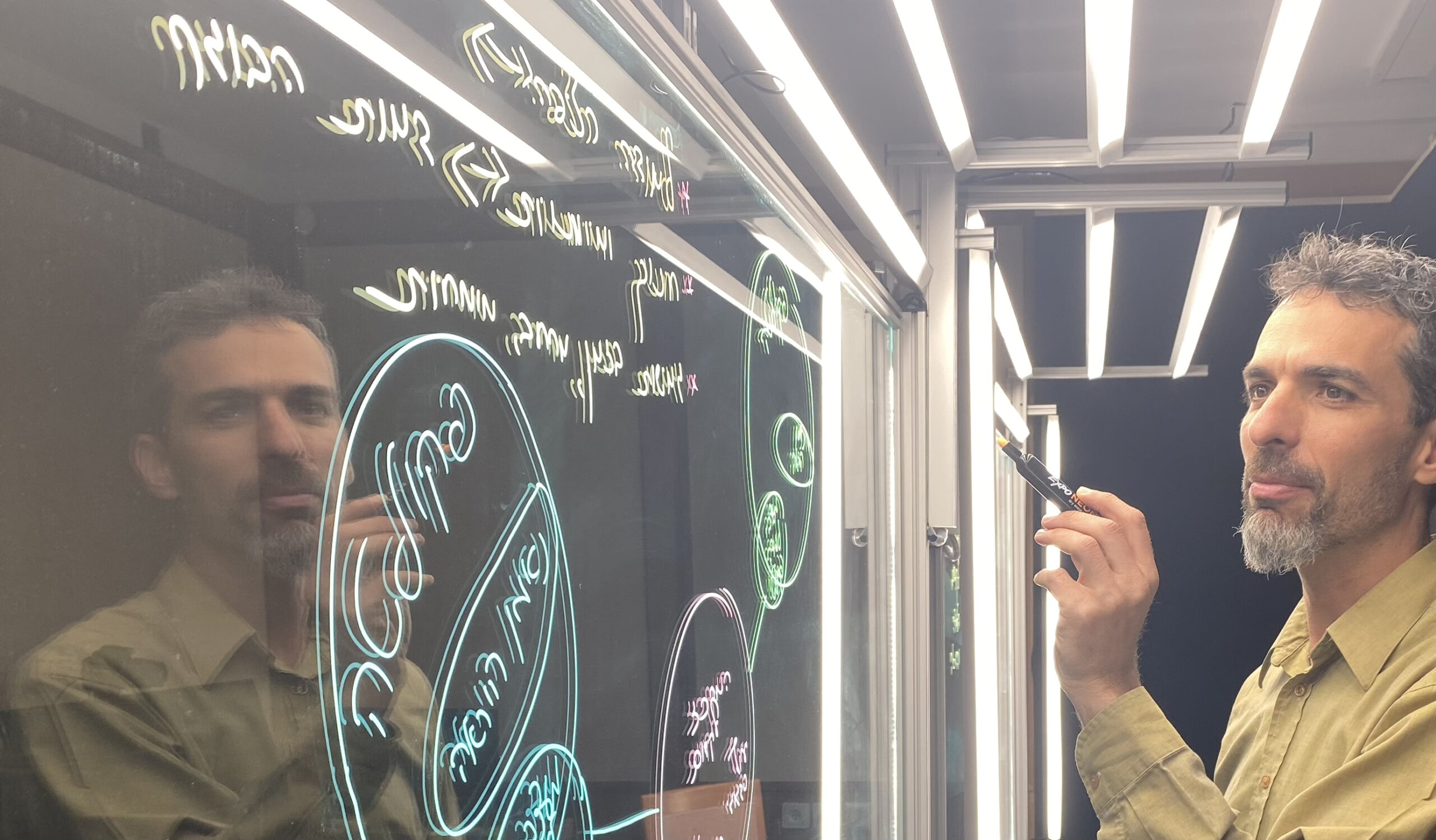
214119 - למידה והוראה במדעים והנדסה בחינוך הגבוה
תורת המבחנים והמדידה בחינוך - 218124
For the MOOC on AI and Learning Analytics in Education, please click here.
For the light course on teaching during emergency times, please click here.
> Contact_ ↑
Email me at: roll [at] technion.ac.il
Find me at:
Faculty of Education in Science and Technology
Technion - Israel Institute of Technology
Technion City, Haifa 3200003, Israel