We study how artificial intelligence and interactive learning environments can support people in becoming better learners, focusing on the development of higher order thinking such as scientific reasoning, creativity, AI literacy, and sense making. Our research is rooted in frameworks and methodologies from education, cognitive science, learning analytics, and human-computer interaction.
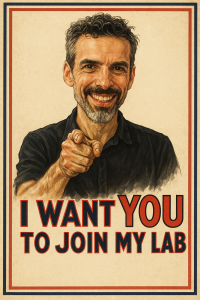
> Join_The_Lab
I am recruiting new graduate students who are passionate about data and curious about the human mind.
Interested? Contact me_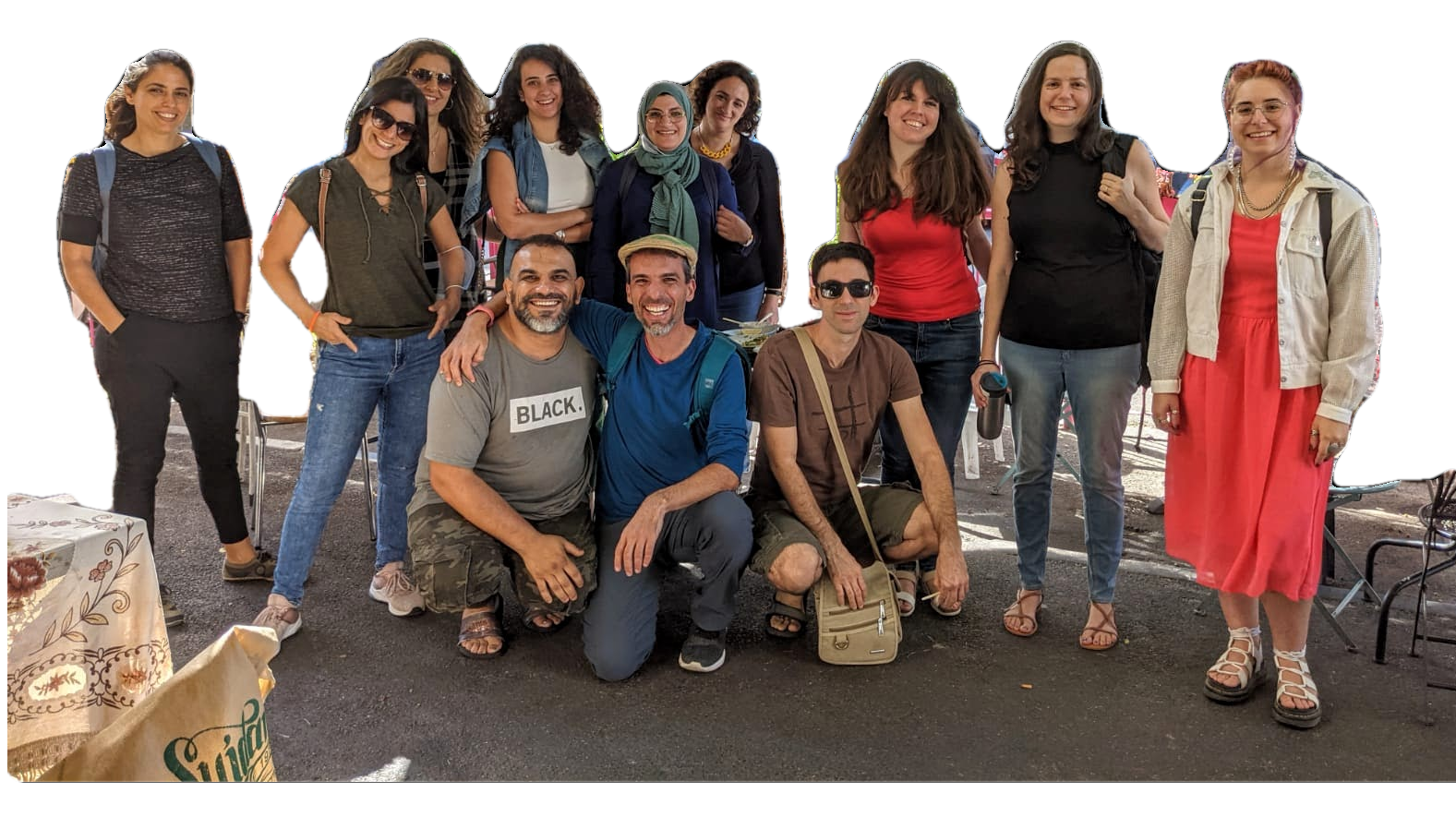
> Research_ ↑
Our lab seeks to answer the following questions: How do students become competent learners and scientists? And, how can interactive learning environments support this transition? Specifically, we use fine-grain data to study the development of scientific literacies, creative thinking, collaborative learning, and sense making. Our research is rooted in frameworks and methodologies from education, cognitive science, learning analytics and educational data mining, and human-computer interaction.
Here are several examples of our current research projects:
▼ Engagement in Inquiry Learning
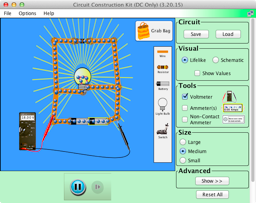
As science education shifts towards focusing on the processes rather than products of science, it is increasingly clear that scientific inquiry should play a major role in science learning. In our work we seek to answer the following question: how does productive inquiry "look" like? Ask teachers whether they know if their students are making progress, and answers will be all over the place. On a nutshell, while we understand the principles behind productive inquiry, we still do not know how to identify one.
In this line of work we identify and support productive inquiry in virtual labs and interactive simulations. Using the PhET simulations, we study which online behaviours correlate with positive shifts in knowledge, skills, and attitudes. The outcomes of this line of work are three-fold. First, we seek to better understand scientific inquiry in the context of learning with virtual labs. Second, we design unobtrusive assessments that can evaluate students' inquiry processes. Last, we seek to feed back
This work is support by the Social Sciences and Humanities Research Council (SSHRC) and the Gordon and Betty Moore Foundation (GBMF).
▼ Game-Based Learning
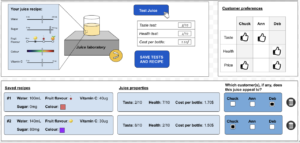
Educational digital games can be powerful agents for teaching and assessment. Done right, games increase motivation, agency and self efficacy - all crucial factors in meaningful, robust learning.
Due to their digital nature, these games offer a way to unobtrusively and continuously assess the learning process, and to give individualized feedback to support it.
We use games as dynamic and engaging research environments. They enable us to evaluate various aspects and principles in the psychology of learning and the learning sciences. Thanks to this work we better understand how to design effective and engaging educational games.
▼ Intelligent Assessments
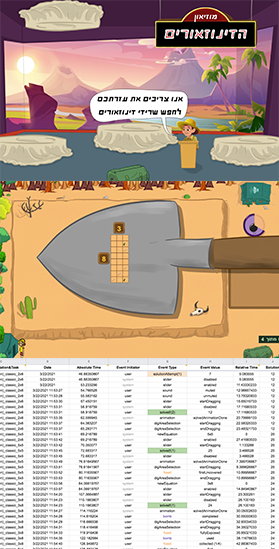
Traditional assessments stand utterly challenged in measuring complex competencies such as creative thinking, problem-solving, collaboration, and other key 21-century skills. Common to these competencies is the focus on learning processes rather than products. This difference requires a paradigm shift in evaluation and assessment.
Intelligent assessment is a new research field that relies heavily on the integration between psychometrics and learning analytics practices. It engages the challenge of measuring complex competencies with tools such as interactive computer simulations and games. For example, an interactive computer task could allow tracking of the iterative process of creative thinking by monitoring the dynamics of attempts to solve a problem. These dynamics could then be modeled as a proxy for the specific skill of creative thinking.
Measuring the 21-century skills within the school system has growing support among educational practitioners, as expressed in the consolidation of 'the alumni character' by Israel's ministry of education. Developing intelligent assessment tools has become a top priority.
▼ Online learning in Higher Education
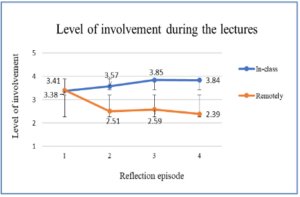
Supporting and measuring learning is a tricky business. Doing so when learning happens online, in a remote context is even trickier. Our research focuses on the relationship between learning designs, learning assessments, and students' ability to demonstrate learning that lasts over time, transfers to new situations, and prepares them for future learning instances in authentic academic contexts.
In our work, we evaluate actual and perceived learning gains from both the students' perspective as well as the instructors' perspective, and use these evaluations to better tailor and design STEM curricula and assessment. We use data collected by the Learning Management System, as well as surveys, interviews, and assessments, to understand how higher education adapts itself to new goals, and how it makes use of new pedagogies and affordances (e.g., flipped classroom or interactive technologies), to achieve these goals.
▼ Learning Dashboards
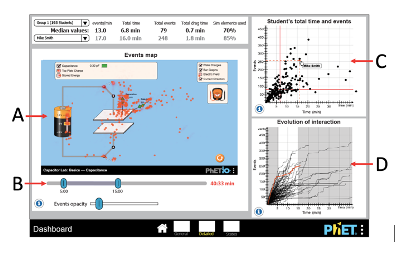
Learning technologies generate massive amounts of data. This information is used to better understand and support learning. However, typically, this data is not fed back to the learners themselves.
In this line of work we study the challenge of giving learners access to their own data. How can data become meaningful information that help learners improve their learning? For example, how can we provide learners with insights about their inquiry behaviours in interactive simulation, or on their collaborative writing in a shared document? What is the impact of dashboards on learners' habits and skills?
▼ Problem-Solving Before Instruction
Supporting and measuring learning is a tricky business. Doing so when learning happens online, in a remote context is even trickier. Our research focuses on the relationship between learning designs, learning assessments, and students' ability to demonstrate learning that lasts over time, transfers to new situations, and prepares them for future learning instances in authentic academic contexts.
In our work, we evaluate actual and perceived learning gains from both the students' perspective as well as the instructors' perspective, and use these evaluations to better tailor and design STEM curricula and assessment. We use data collected by the Learning Management System, as well as surveys, interviews, and assessments, to understand how higher education adapts itself to new goals, and how it makes use of new pedagogies and affordances (e.g., flipped classroom or interactive technologies), to achieve these goals.
> Publications_ ↑
Please feel free to email roll[at]technion.ac.il for pdfs. https://biboxx.org/data/?id=28082808148721672
> People_ ↑

Prof. Ido Roll
Professor Ido Roll is a Professor in the Faculty of Education in Science and Technology and the Faculty of Data and Decision Sciences at the Technion – Israel Institute of Technology. He also served as a Deputy Senior Executive Vice President for the Promotion of Learning and Teaching.
Ido studies how interactive learning environments support students in becoming productive independent learners and scientists. His research utilizes a variety of methodologies from the fields of education, artificial intelligence, learning analytics, cognitive science, and human-computer interaction. The work examines various time scales, from milliseconds (in problem-solving environments and computerized labs) to months (in online courses and MOOCs). Together with instructors and teachers, we study how innovative pedagogies and technologies can improve instruction at scale. Most of his research seeks to answer the following questions:
- Big Data in Learning: How can data and big data be used to measure learning skills and scientific thinking?
- Learning Design: How can instruction be designed to support meaningful learning and empower learners?
- Learning Sciences: How does this work contribute to the understanding of learning processes and scientific thinking processes?
Previously, Ido was the Director of the Institute for Scholarship of Teaching and Learning (ISoTL) at the University of British Columbia in Canada (UBC). He graduated from the Human-Computer Interaction Institute (HCII) and the Program for Interdisciplinary Education Research (PIER) at Carnegie Mellon University.
Ido is also a member of OECD’s PISA Innovative Domains Expert Group and Research and Innovation Group. He was an Associate Editor of the International Journal of Artificial Intelligence in Education (IJAIED) and is currently an Associate Editor of Instructional Science. He is also a member of the steering committees of the International Society for Artificial Intelligence in Education (IAIED) and Learning at Scale (L@S).
Mail: roll [at] technion.ac.il
Lab Members ↑

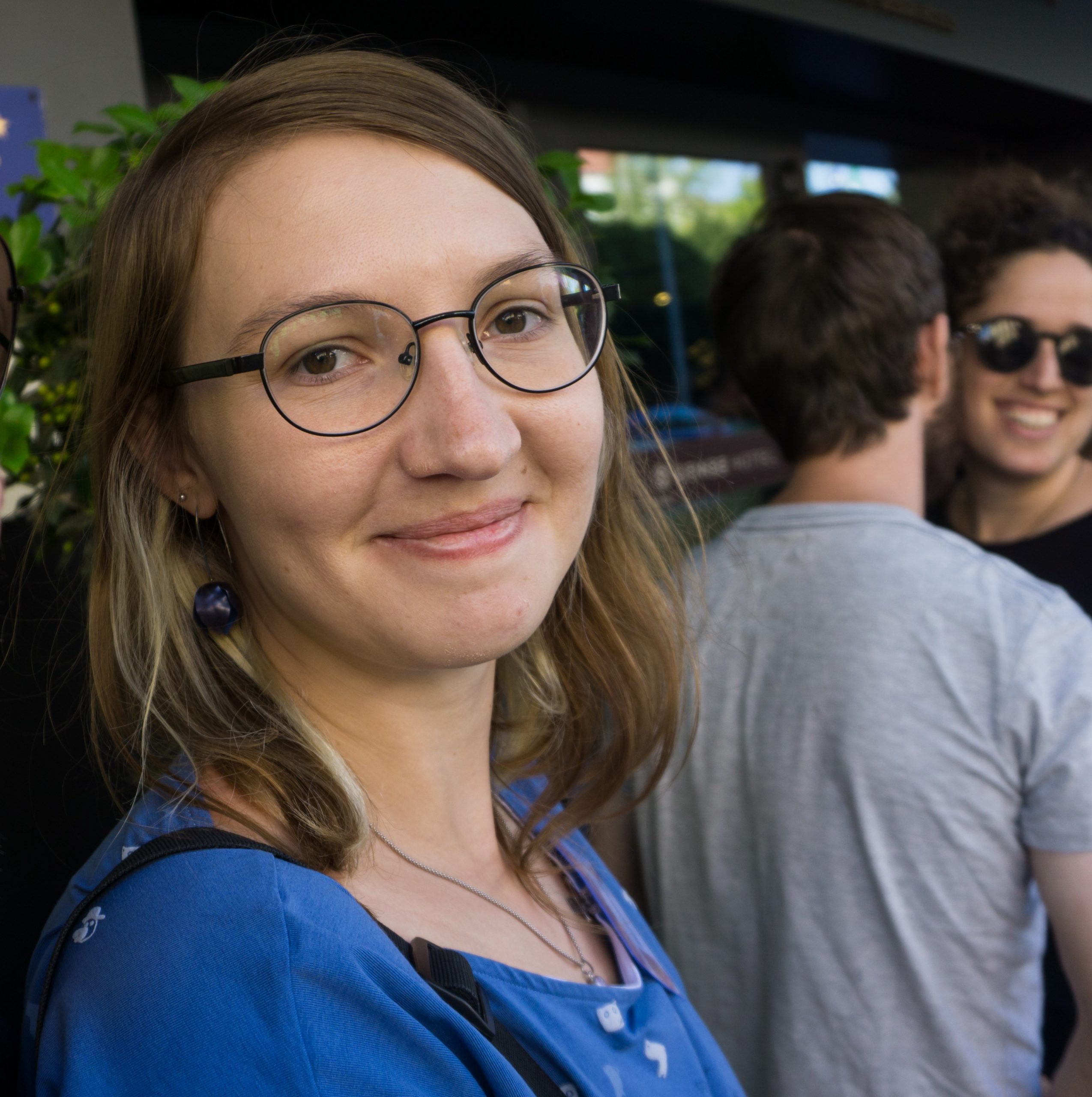
Eman Ganaiem
Ph.D. Student (Co-advised with Prof. Tanja Käser)
Visualizing Inquiry: Designing and Developing a Learning Analytics Dashboard to Support the Learning of Inquiry Competencies in Interactive Simulations
Research at the intersection of learning sciences and learning analytics; scientific inquiry competencies, participatory design of LAD, and analytics of inquiry in interactive simulations.
Ganaiem.eman [at] gmail.com
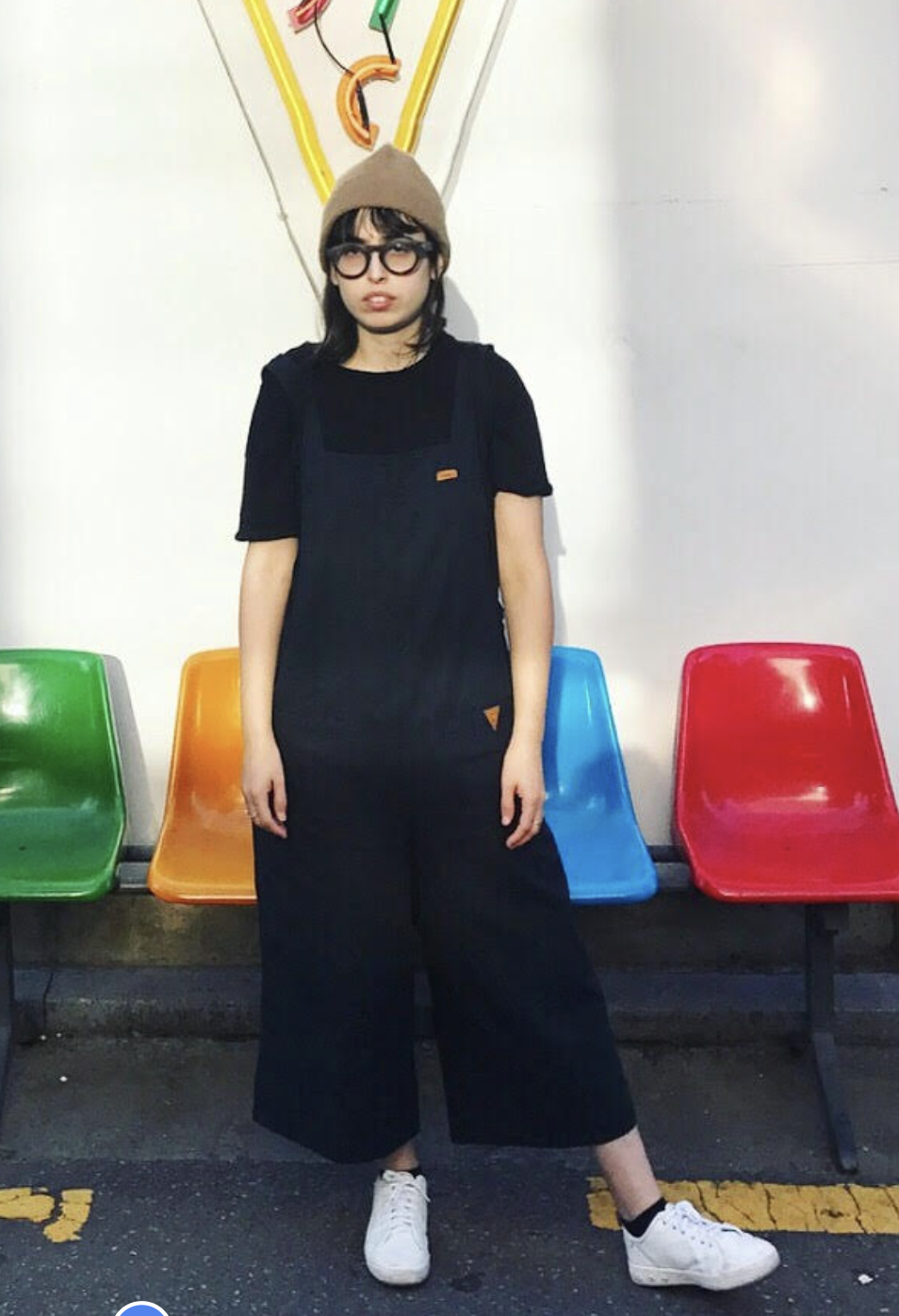
Tania Yamai
M.Sc. Student
Which Tool to Use? Evaluating Human Tool Learning in Complex Multi-Tool Environments
B.Sc. in Computer Science; Research focused on the tool learning process in multi-step, multi-tool scenarios. Expected graduation: 2026.
yamai.tania.il [at] gmail.com
Taelin Karidi
Post-Doctoral Fellow (Co-advised with Prof. Ofra Amir)
Learning with AI: Modeling AI Literacy and Learning Behaviors from In-the-Wild Student–AI Interactions
B.A. & M.Sc. in Pure Mathematics (TAU); Ph.D. in Computer Science (HUJI). Research at the intersection of NLP, cognitive science, and education; assesses learning-related skills via real student–AI interaction data using computational methods.
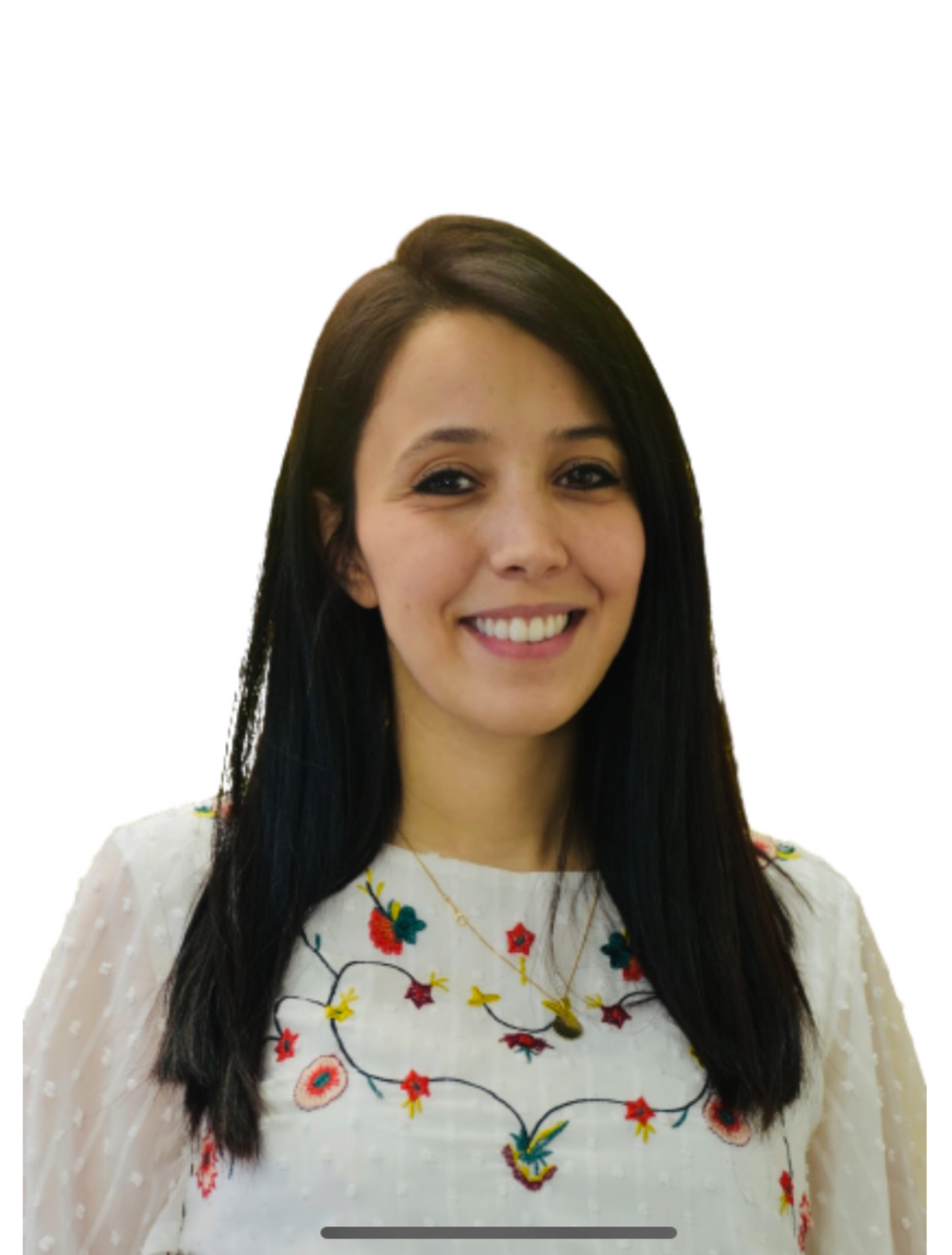
Tamara Dalki
Ph.D. Student (Co-advised with Prof. Miri Yemii)
Examining Adolescents’ Interactions with Generative AI in Health-Related Topics: Perceptions and Use Patterns Across Diverse Youth Populations
M.A. in Educational Leadership, Administration, and Policy. Interested in how adolescents use and interact with generative AI, especially in health-related contexts.
Alumni ↑

Shir Drive
Past Member — M.Sc. Student
Task-Agnostic Assessment of Self-Regulated Learning in Modeling Activities
B.Sc. in Mathematics; Using ML and theory-informed frameworks to identify and characterize learning behaviors over time in digital open-ended environments (focus on OECD PISA). Currently: at SAFE (Secure Artificial Intelligence via Formal Methods and Engineering) as an Applied Mathematics Ph.D. candidate; expected graduation 2029.
shir.yihyie [at] campus.technion.ac.il

Jonathan Ben-David
Ph.D. Student
Implementing evidence-based learning principles in educational games
jonathan [at] campus.technion.ac.il
Janan Saba
Post-Doctoral Fellow
The use of Productive Failure in an Agent-Based Modeling Environments. Reasearch based in learning sciences, design of technology-enhanced learning environments, computational thinking.
Current: Senior Lecturer at the HUJI, The Seymour Fox School of Education.
janan.saba [at] mail.huji.ac.il

Miri Barhak-Rabinowitz
Ph.D. Student
Measuring the dynamic process of creative thinking
miri.barhak [at] gmail.com

Ilana Ram
Post-Doc
Online learning in Higher STEM education
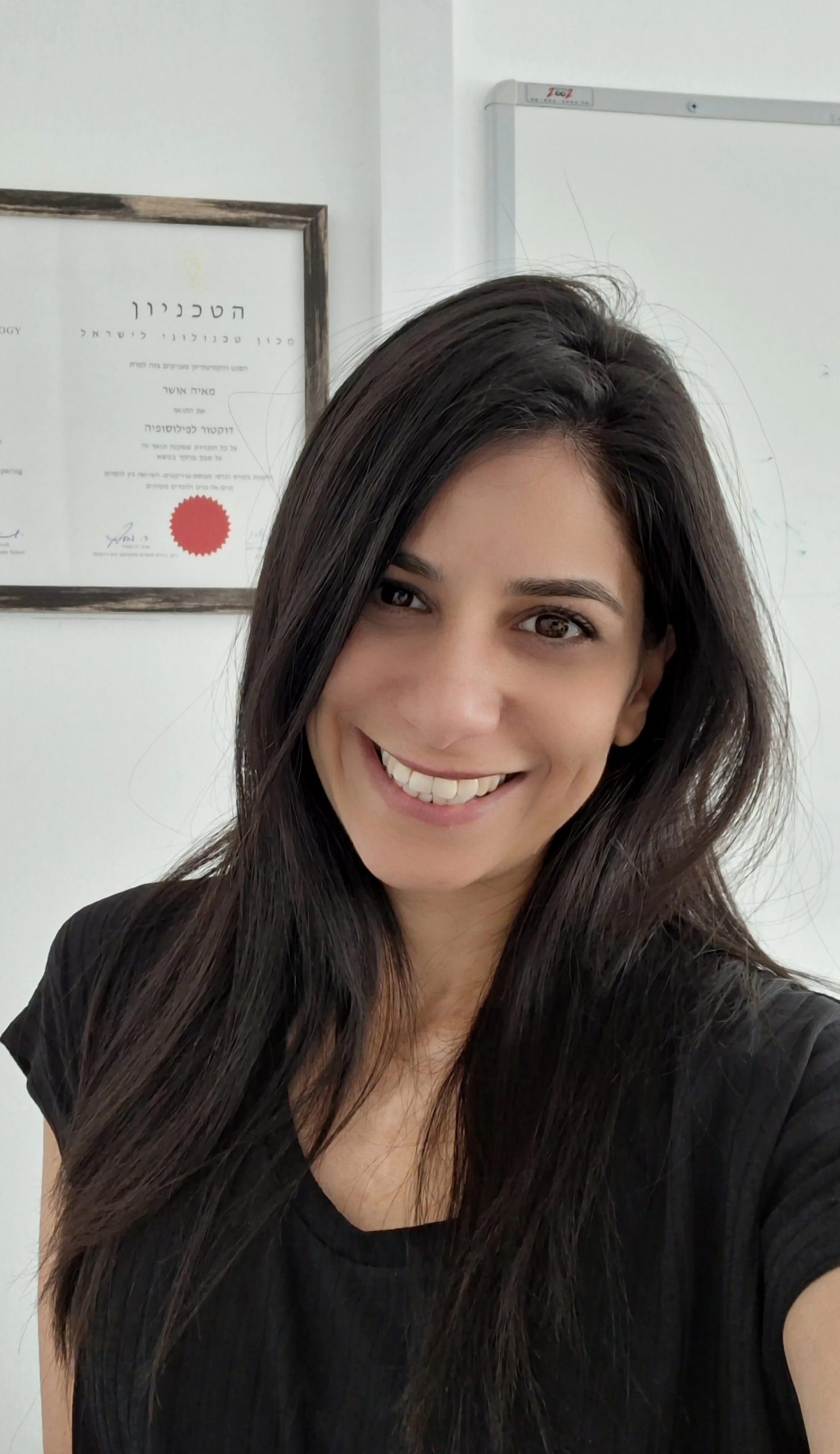
Maya Usher
Past Member — Research Assistant (under Prof. Ido Roll)
Ph.D. (Technion, 2022, supervised by Prof. Miri Barak). Research on GenAI’s impact on teaching, learning, and assessment in higher education, including AI ethics education, chatbot support for academic writing, and chatbot-based assessment tools and practices.
Current: Senior Lecturer at Holon Institute of Technology (HIT) and Research Associate at the Technion – Israel Institute of Technology.

Orly Fuhrman
Researcher
Situated support for online collaborative writing

Alina Ryndin
M.Sc. Student
The impact of open-exploration on learning using interactive simulations
Raffael Shalala
Ph.D. Student
Co-advised with Ofra Amir
Mati Yanko
Lab Technician
matiya [at] gmail.com
> Teaching_ ↑
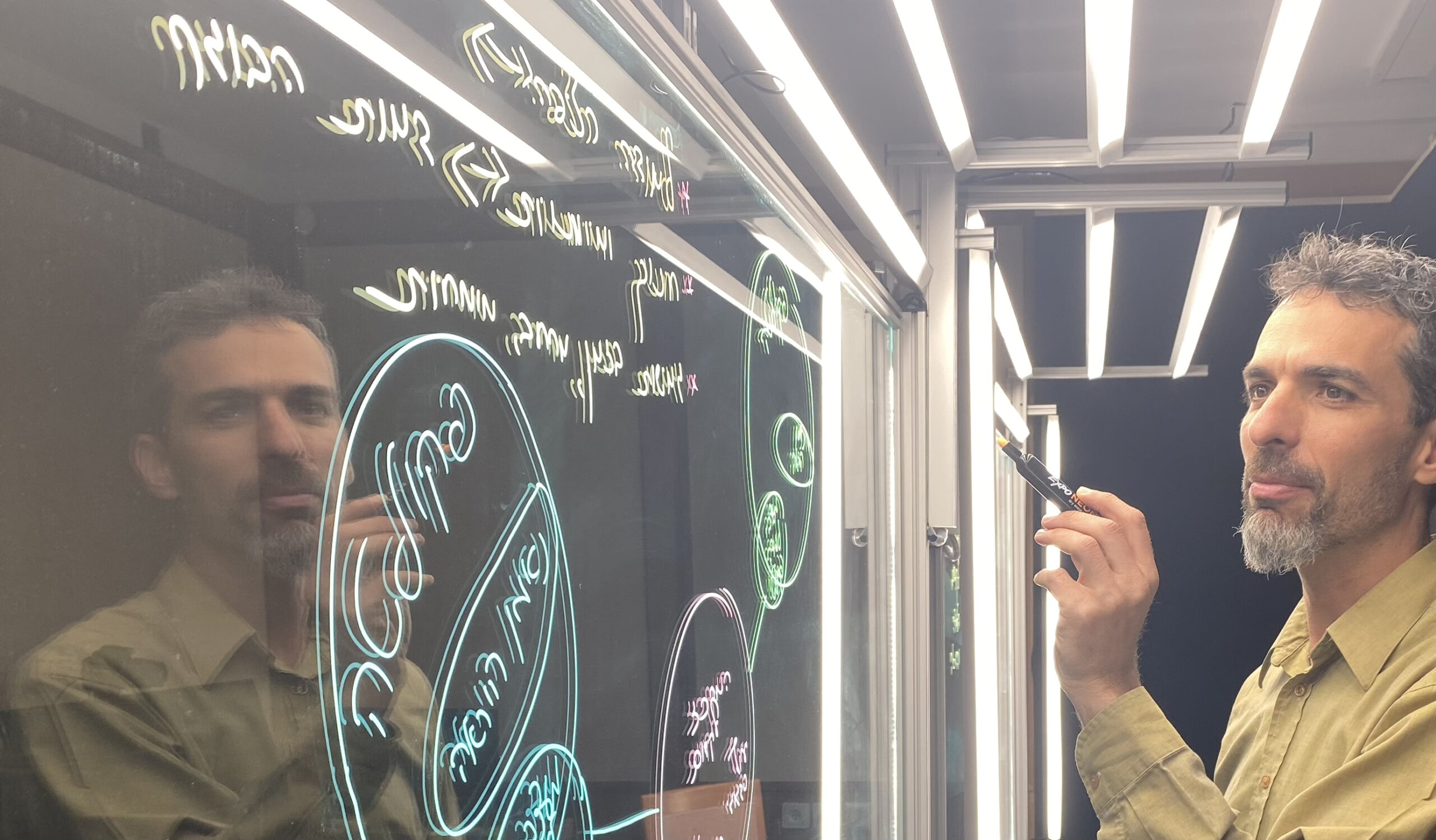
214119 - למידה והוראה במדעים והנדסה בחינוך הגבוה
214118 - מבוא לחינוך למדע וטכנולוגיה 2
תורת המבחנים והמדידה בחינוך - 218124
> Contact_ ↑
Email me at: roll [at] technion.ac.il
Find me at:
Faculty of Education in Science and Technology
Technion - Israel Institute of Technology
Technion City, Haifa 3200003, Israel